
Dividend Income Guide
Learn how to project, track, and plan future dividend income.
Dividend investing can generate a powerful stream of retirement income—but planning gets easier when you understand when payments are expected to arrive, how much income your portfolio may produce, and what factors can affect future cash flow.
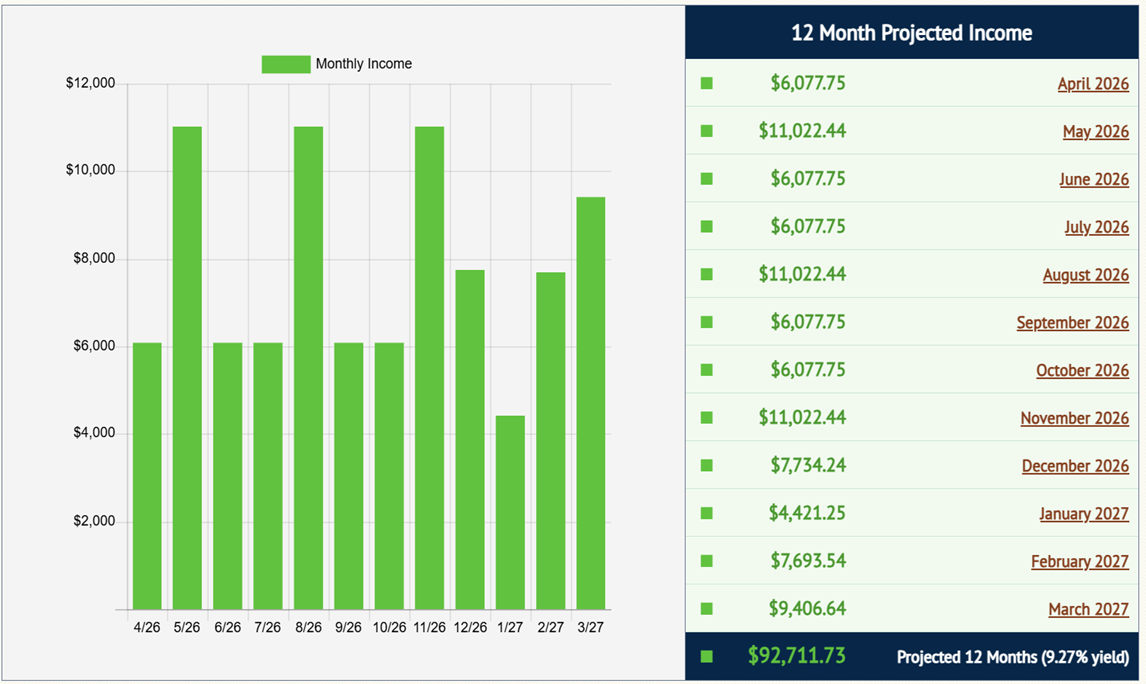
Start with the 12-month view
Most investors can quickly see what dividends they've received in the past. The harder question is what their portfolio is likely to generate next.
How to Project Dividend Income for the Next 12 Months
This guide walks through the manual process, shows where it becomes cumbersome, and explains how investors can build a clearer view of expected monthly cash flow.
Read the Guide →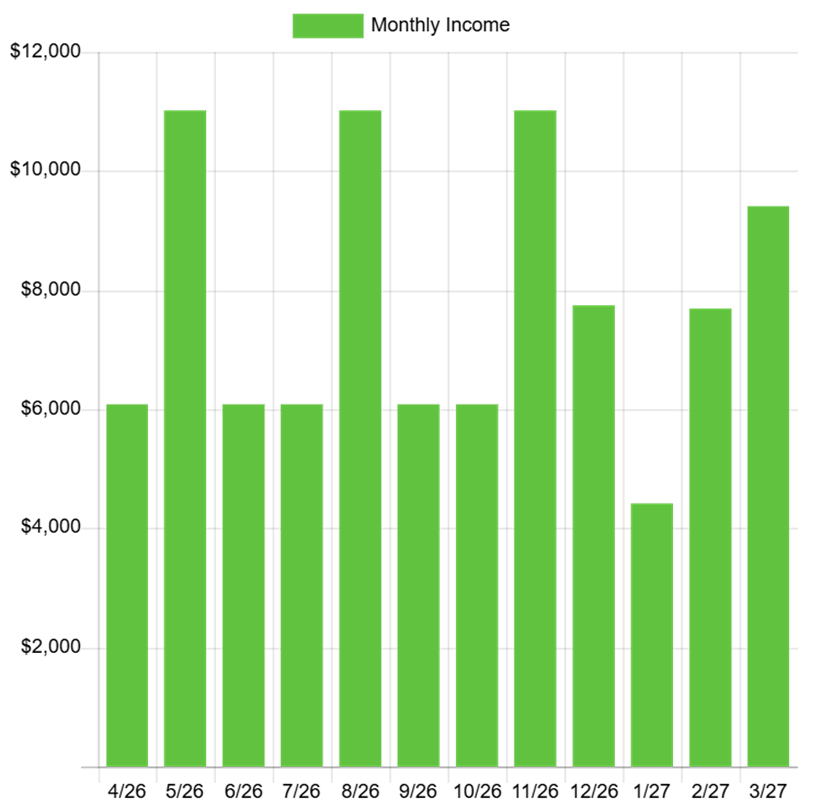
What Is a Dividend Tracker? And Why Retirees Need One
Learn how dividend trackers organize expected payments, monitor income sources, and help investors see future dividend activity in one place.
Read Article → ComparisonDividend Tracker vs Spreadsheet: Which Is Better?
Compare the flexibility of spreadsheets with the automation and forward-looking visibility of dedicated dividend tracking software.
Read Article → Projection AccuracyHow Accurate Are Dividend Income Projections?
Understand what projections can tell you, what may cause estimates to change, and why a reasonable forecast can still be useful for planning.
Read Article →Why dividend income planning matters
Many retirees focus heavily on yield. But yield alone doesn't tell you when income is expected to arrive, which positions generate the most cash flow, how balanced payments are throughout the year, or where potential gaps may exist.
A forward-looking view adds the timing and organization needed to turn a collection of dividend holdings into a more useful income plan.
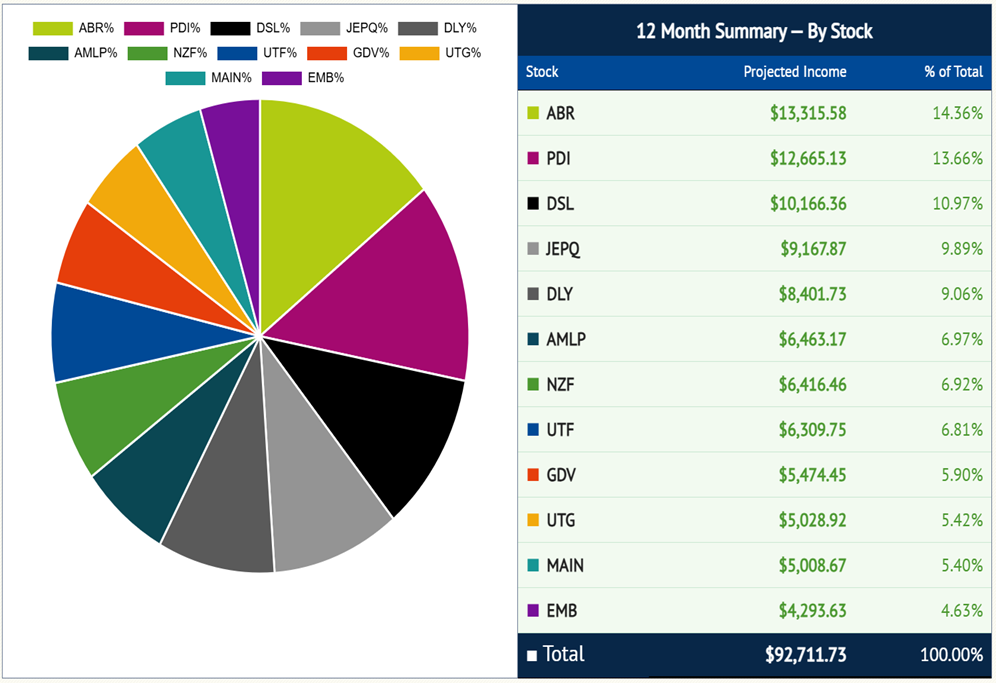
See your dividend income more clearly
Income Calendar helps retirees and dividend investors project future income, view expected payments by month, and organize portfolio income in one place.